Business Name: FootPrints Home Care
Address: 4811 Hardware Dr NE d1, Albuquerque, NM 87109
Phone: (505) 828-3918
FootPrints Home Care
FootPrints Home Care offers in-home senior care including assistance with activities of daily living, meal preparation and light housekeeping, companion care and more. We offer a no-charge in-home assessment to design care for the client to age in place. FootPrints offers senior home care in the greater Albuquerque region as well as the Santa Fe/Los Alamos area.
4811 Hardware Dr NE d1, Albuquerque, NM 87109
Business Hours
Monday thru Sunday: 24 Hours
Facebook: https://www.facebook.com/FootPrintsHomeCare/
Instagram: https://www.instagram.com/footprintshomecare/
LinkedIn: https://www.linkedin.com/company/footprints-home-care
If you've ever sat at a cooking area table with a moms and dad's pill organizer on one side and a stack of sales brochures on the other, you understand how difficult these decisions can be. Picking between elderly home care and assisted living hardly ever boils down to a single aspect. It's a mix of health needs, budget plans, personalities, and a household's bandwidth. I have actually dealt with families who swore they 'd never move Mom, then discovered that a little assisted living neighborhood offered her a social life she had not had in years. I have actually also seen seniors thrive with at home senior care, keeping regimens and area connections that anchored their days. Let's sort fact from fiction so you can choose that fits the person, not the stereotype.
Why these myths stick around
Fear drives a lot of the misconceptions. Adult children stress over security and costs, seniors fret about losing self-reliance, and everybody attempts to forecast what the next five years will bring. Sales pitches from both sides don't help. A senior home care company will stress personalization and convenience, a community will promote activities and clinical oversight. Both have facts to tell, and both can oversell. The reality depends on the middle, and it varies by person and timing.
Myth 1: Assisted living is basically a nursing home
Decades ago, many individuals associated any move with a hospital-like setting and rigorous schedules. Modern assisted living looks various. Believe private apartments, day-to-day activities, meals in a dining room, and staff readily available for aid with bathing, dressing, or medication suggestions. A nursing home provides 24-hour healthcare and serves people with intricate medical conditions or rehabilitation needs after a medical facility stay. Assisted living is developed for folks who need support with daily tasks but do not need day-and-night proficient nursing.
One of my customers, a retired instructor named Evelyn, withstood leaving her cottage. After a fall and a hip fracture, she tried a short stint in assisted living for "respite," planning to go home when she gained back strength. She stayed. The draw wasn't medical care, it was the breakfast club where she switched crossword answers with two other former teachers, plus staff who observed if she avoided lunch or appeared off. That's assisted living at its finest, not a nursing home substitute.
Myth 2: Home care is just for individuals near completion of life
Home care comes in lots of tastes. Brief shifts for light housekeeping and meal prep. Friendship and transport a number of days a week. Overnight or 24-hour look after folks with sophisticated dementia. Post-surgical assistance for two weeks while somebody regains stamina. Hospice can layer into home care throughout late-stage illness, but that is only one chapter. Lots of people utilize a home care service for several years before any severe decline, often beginning with 3 hours twice a week to remain on top of laundry and errands.
Families often turn to in-home care after a triggering event, like missed out on medications or a fender bender that rattles everybody. Early, lighter assistance can avoid larger problems. A senior caretaker may organize the kitchen so medications and snacks are at hand, established an easy-to-read whiteboard for appointments, and encourage a short day-to-day walk. Small changes include up.
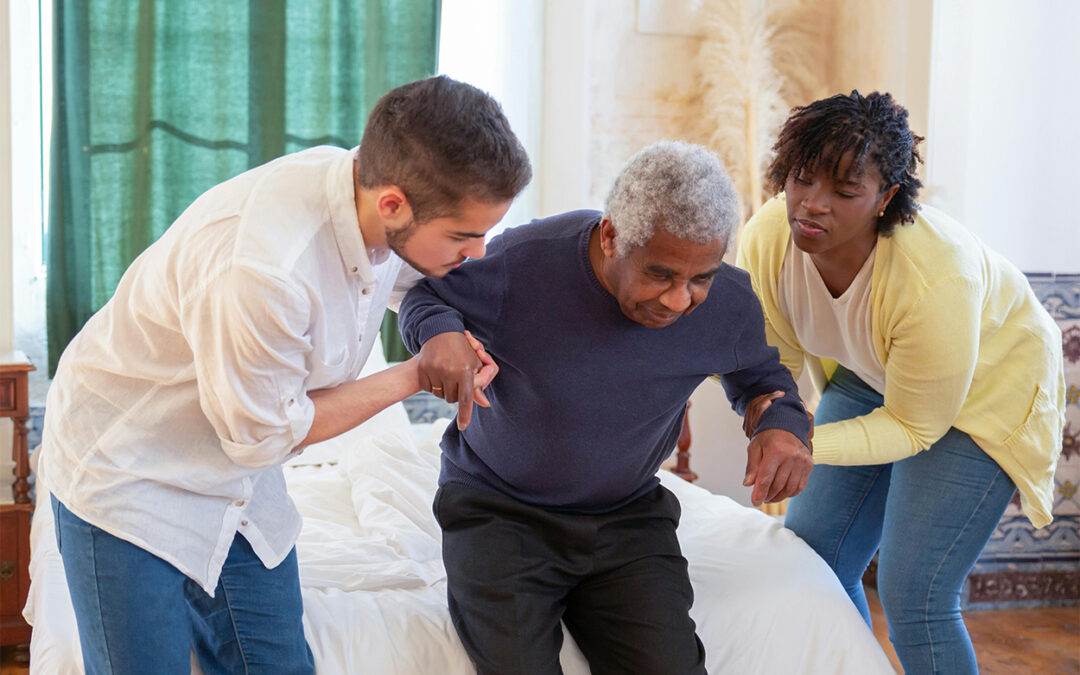
Myth 3: Assisted living will drain your savings faster than home care
Sometimes yes, in some cases no. The mathematics depends on how many hours of care you need, regional labor rates, and the level of services included in a community's base rent.
Here's how I motivate households to do the math. For home care, price per hour times the variety of hours each week, then include utilities, groceries, property taxes or lease, insurance, home maintenance, and transport. For assisted living, integrate base rent with the care bundle, then ask about add-ons: medication management, incontinence materials, cable, or second-person transfer support. In numerous cities, 8 hours of in-home care a day, seven days a week, can surpass the month-to-month cost of assisted living. On the other hand, two or 3 short shifts a week for light support can be far less than a community's regular monthly charges while protecting the comfort of home.
Be mindful of step-ups. Assisted living neighborhoods reassess locals occasionally, changing care levels and expenses. Home care hours may creep up too, particularly with dementia or movement decrease. The "cheaper" option typically alters gradually, which is why I suggest building a one to two year forecast rather than a single-month snapshot.
Myth 4: Individuals lose independence in assisted living
Independence isn't just about where you live, it's about how much control you have more than your day. Assisted living can increase independence for some people by making the hard parts easier. If getting dressed takes an hour of wrestling with buttons and tiredness, a ten-minute assist can free the remainder of the early morning for something enjoyable. If a staff member reminds you to hydrate and stroll, you might prevent dizziness that keeps you homebound.
The flipside is genuine too. Some neighborhoods enforce rigid routines that do not fit everybody. A night owl who chooses 10 pm suppers might find life in a community discouraging. Tour with these choices in mind. Ask about versatile meal times, late-night check-ins, and whether you can bring your own recliner chair and coffee machine. The small flexibilities matter.
Myth 5: Home care means a stranger in the house and no privacy
Trust is made. The first week with a senior caretaker often feels uncomfortable, like having a visitor who tidies your closet. Excellent firms comprehend this and keep the very first visit focused on choices, boundaries, and regimens. You can define rooms that are off-limits, tasks you want the caretaker to observe before doing, and interaction guidelines. If your dad prefers to manage his own shaving and desires assistance just with setup and clean-up, say so. Experienced caretakers respect autonomy and create space for it.
Continuity is a valid concern. High turnover interferes with rapport. Ask the home care firm how they schedule: Will there be a main caregiver and one backup, or a rotating cast? What is their cancellation policy if a caregiver calls out? Do they utilize care plans that define specific choices, like "oatmeal with raisins, not sugar," or "Park on the street, not the driveway"? The very best in-home care develops familiarity and preserves privacy with consistency.
Myth 6: Assisted living can handle any medical situation
Assisted living is not a medical facility. Communities have procedures, and the majority of rely on outdoors suppliers for proficient services. If your mother needs daily injury care, a firm nurse might visit. If she needs insulin or oxygen, personnel can normally support, but there are limits. When requires escalate beyond what a neighborhood can safely handle, they might need a move to a greater level of care. That transition can be stressful.
Read the residency agreement closely. It details what the community will and won't do, when they can ask somebody to discharge, and how emergency situations are managed. A neighborhood with an on-site nurse during company hours may feel encouraging, but ask who is on duty at 2 am. For persistent conditions like heart failure or COPD, clarify monitoring routines. Some communities partner with virtual care services or onsite clinicians a few days a week. Others do not.
Myth 7: Home care can't handle dementia safely
Home care can be an excellent suitable for early and mid-stage dementia if the environment is established correctly and the care plan prepares for modifications. Roaming risk, range safety, medication triggers, and sundowning behaviors can be attended to with layered strategies: door alarms, induction cooktops, pill dispensers with locks, and a consistent evening routine with dimmed lights and calming music. Over night caregivers help when nights are restless.
Late-stage dementia typically suggestions the balance. Some homes can't be made safe enough without producing a fortress, and everybody ends up exhausted. I have actually seen households keep a moms and dad in your home effectively for many years with a mix of household shifts and professional caretakers, then select a memory care unit when falls and sleepless nights became consistent. That timing is deeply individual and worth revisiting every couple of months.
Myth 8: You need to choose one forever
Care is not a one-way street. https://privatebin.net/?5a2e471f34b5c52a#EZ77fzqiJyTjFLdnJnxsC2wgy8BhnYyuWMUrq8nwgUv3 Numerous households blend the 2. A relocate to assisted living might occur after a hospitalization, followed by a return home with in-home care once strength enhances. Others stay at home however use a day program in a neighboring neighborhood for social time and structured activities. Respite stays are underused and powerful. Two weeks in assisted living while a household caretaker recuperates from surgical treatment or takes a much-needed break can support routines and provide a trial run without the weight of a permanent decision.
The most resilient plans are flexible. Put both paths on the table early. Start gathering documentation and preferences even if you don't prepare to utilize them yet. When a crisis strikes, advance groundwork conserves you from hurried choices.
Myth 9: Assisted living guarantees abundant social life, home care equals isolation
Social results depend on personality, design, and follow-through. Introverts can feel lonelier in a neighborhood if they do not connect with the set up activities. Extroverts in your home can stay stimulated through book clubs, faith neighborhoods, and neighbors. I understood a retired mail carrier who grew in the house due to the fact that his caretaker drove him to the restaurant every morning, where he welcomed half the space by name. He would have withered in a place where breakfast ended at 9 am.
In communities, ask how personnel facilitate introductions. Will someone stroll a new resident to the garden club or sit with them at lunch the first week? Exist smaller sized gatherings for folks who prevent large groups? At home, develop social touchpoints into the care plan: a weekly museum visit, one recreation center class, Sunday service. Connection never ever happens by accident, no matter setting.
Myth 10: Home care is less safe than assisted living
Safety is a combination of environment, tracking, and reaction time. Assisted living deals eyes-on contact throughout the day and call buttons for quick aid. That minimizes the risk of unnoticed falls. Home care can match security through technology and scheduling: motion sensing units that flag uncommon nighttime activity, medication dispensers that signal caregivers, periodic check-in calls, and clever doorbells. The space appears when long hours go uncovered or the home has threats like narrow stairs and poor lighting.
Take a sober take a look at the home. Clear cords, include grab bars, enhance lighting, change loose carpets. Focus on the bathroom, where most falls start. If nighttime is dangerous and no one is awake, think about an over night caretaker or a monitored shift to a setting with 24-hour personnel. Security isn't a single yes or no, it's a series of thoughtful adjustments.
How to assess the ideal fit
Emotions run hot throughout these choices. I recommend stepping back and score three buckets: needs, preferences, and resources. Requirements include movement, continence, cognition, medication complexity, and persistent conditions. Preferences cover sleep-wake cycle, privacy, pet ownership, cultural or spiritual practices, and proximity to familiar locations. Resources are monetary and human, meaning budget and the number of friend or family can support reliably.
A practical way to pressure-test your strategy is to picture a bad week. The caretaker has the influenza. The elevator in the community breaks. Your dad gets a stomach bug. Does the plan bend or break? If a single disruption falls everything, construct more backups.
The role of the senior caregiver
People often focus on tasks: bathing, meals, transport. The best caretakers add something harder to measure, which is pacing. They nudge without hurrying. They leave silence where someone needs time. They bring humor, and the good ones see small changes before they end up being big problems, like swelling ankles or a new cough. Whether you work with through a company or independently, invest time in the match. Inquire about experience with your specific needs, not just years on the job. Diabetes care, Parkinson's, hearing loss, macular degeneration, mild cognitive disability each needs various instincts.
If hiring privately, prepare for payroll taxes, employees' compensation, background checks, and backup coverage. Agencies deal with these logistics and offer replacements, which is worth the premium for numerous households. On the other hand, a long-lasting personal hire can be more budget friendly and extremely individualized. There's no one correct course, only compromises.
What families typically overlook in assisted living tours
Tours feel polished for a reason. Visit unannounced at off-hours. Sit quietly in a hallway for ten minutes and see interactions. Do locals look tidy and engaged? Are call bells audible and participated in promptly? Peek at the activity calendar, then try to find proof that it really happens. If the calendar assures chair yoga at 2 pm, see whether anyone is directing it. Ask the dining personnel about replacements. Food matters more than people admit.
Staff stability is a bellwether. High turnover produces irregular care. Ask, directly, for how long the executive director, nursing director, and head chef have been there. Ask the ratio of caretakers to homeowners throughout days, evenings, and nights, and whether that number consists of med-techs or managers who do not offer direct care. If they hesitate, keep probing.
Money and benefits, without the wishful thinking
Long-term care insurance coverage can offset costs in either setting, but policies vary hugely. Some cover only accredited facilities, some cover in-home care if the caretaker is from a licensed company, and many require help with a certain number of activities of daily living before benefits start. Veterans and enduring partners might receive a pension supplement that assists spend for care. Medicaid programs support assisted living or home and community-based services in numerous states, though access, waitlists, and quality differ. Households sometimes overstate what Medicare will pay. It covers treatment and short-term rehab, not long-lasting custodial care.
Build a budget that consists of inflation, likely increases in care needs, and an emergency buffer. Review it every six months. If selling a home is part of the plan, line up real estate timelines with move-in dates so you are not paying double for months.
A well balanced course: when home care shines, when assisted living fits better
Home care tends to shine for individuals who:
- Have strong attachment to their area, routines, and pets, and require light to moderate assist with day-to-day tasks. Can gain from flexible schedules, like late early mornings or variable mealtimes, and have a home that can be ensured without major renovation.
Assisted living tends to fit much better when:
- Predictable access to assist throughout the day and night beats the expense and complexity of high-hour in-home care. Social chances on-site matter, and seclusion in your home has actually ended up being a pattern in spite of efforts to connect.
Both lists are starting points, not decisions. The key is matching the individual's rhythms and risks to the setting that supports them.
The psychological piece most guides miss
Grief sits under many of these options. An elder may grieve driving, good friends who have passed away, or a body that no longer cooperates. Adult children might grieve the role turnaround or the loss of the household home as a gathering place. Decisions made from seriousness can sour relationships. If you can, bring the elder into the procedure before a crisis, and review the conversation in small dosages. Try concerns like, "What feels crucial for your days to seem like you?" or "If walking gets more difficult, what sort of aid would you find appropriate?" Listen for values more than answers.
I dealt with a family who framed the option as a trial. Ninety days in assisted living with a hold on the apartment in the house. They set clear success steps: less falls, routine meals, and at least 2 activities a week. If those requirements weren't fulfilled, the strategy was to return home with added home care hours. The structure decreased defensiveness for everyone.
Avoiding typical pitfalls
Rushing is the biggest mistake. The second is ignoring how fast needs can change. A mild stroke, a medication response, or a fall can move the calculus over night. Keep files arranged: medical summaries, medication lists, powers of lawyer, insurance information, and a one-page snapshot of regimens and preferences. Share that snapshot with every brand-new senior caregiver or neighborhood nurse. Consist of details like hearing help batteries, preferred shampoo, and the name of the next-door neighbor who drops in Wednesdays. The mundane information make shifts humane.
Beware of shiny-object functions. A saltwater pool suggests nothing if your mother hates water. A theater space collects dust if you prefer the news. Prioritize what will be used weekly, not what pictures well.
What success looks like
Success is not lack of problems. It looks like less preventable crises, a sense of self-respect in everyday regimens, some control over the shape of every day, and moments of connection. I've seen success in a peaceful cooking area where a caregiver and client sip tea and watch birds. I've seen it in a vibrant assisted living lounge where a resident calls out the bingo numbers with theatrical flair. Both stand, both are care.
The option in between elderly home care and assisted living is not a referendum on love or duty. It's logistics, choices, health, and money, all braided together. Neglect the myths that try to simplify it into right and incorrect. Get clear on what matters most, understand the limits of each choice, and adjust as you go. Care is a long game. The best decisions are those you can revisit without pity, because the objective is not to win an argument, it's to support a life.
FootPrints Home Care is a Home Care Agency
FootPrints Home Care provides In-Home Care Services
FootPrints Home Care serves Seniors and Adults Requiring Assistance
FootPrints Home Care offers Companionship Care
FootPrints Home Care offers Personal Care Support
FootPrints Home Care provides In-Home Alzheimer’s and Dementia Care
FootPrints Home Care focuses on Maintaining Client Independence at Home
FootPrints Home Care employs Professional Caregivers
FootPrints Home Care operates in Albuquerque, NM
FootPrints Home Care prioritizes Customized Care Plans for Each Client
FootPrints Home Care provides 24-Hour In-Home Support
FootPrints Home Care assists with Activities of Daily Living (ADLs)
FootPrints Home Care supports Medication Reminders and Monitoring
FootPrints Home Care delivers Respite Care for Family Caregivers
FootPrints Home Care ensures Safety and Comfort Within the Home
FootPrints Home Care coordinates with Family Members and Healthcare Providers
FootPrints Home Care offers Housekeeping and Homemaker Services
FootPrints Home Care specializes in Non-Medical Care for Aging Adults
FootPrints Home Care maintains Flexible Scheduling and Care Plan Options
FootPrints Home Care is guided by Faith-Based Principles of Compassion and Service
FootPrints Home Care has a phone number of (505) 828-3918
FootPrints Home Care has an address of 4811 Hardware Dr NE d1, Albuquerque, NM 87109
FootPrints Home Care has a website https://footprintshomecare.com/
FootPrints Home Care has Google Maps listing https://maps.app.goo.gl/QobiEduAt9WFiA4e6
FootPrints Home Care has Facebook page https://www.facebook.com/FootPrintsHomeCare/
FootPrints Home Care has Instagram https://www.instagram.com/footprintshomecare/
FootPrints Home Care has LinkedIn https://www.linkedin.com/company/footprints-home-care
FootPrints Home Care won Top Work Places 2023-2024
FootPrints Home Care earned Best of Home Care 2025
FootPrints Home Care won Best Places to Work 2019
People Also Ask about FootPrints Home Care
What services does FootPrints Home Care provide?
FootPrints Home Care offers non-medical, in-home support for seniors and adults who wish to remain independent at home. Services include companionship, personal care, mobility assistance, housekeeping, meal preparation, respite care, dementia care, and help with activities of daily living (ADLs). Care plans are personalized to match each client’s needs, preferences, and daily routines.
How does FootPrints Home Care create personalized care plans?
Each care plan begins with a free in-home assessment, where FootPrints Home Care evaluates the client’s physical needs, home environment, routines, and family goals. From there, a customized plan is created covering daily tasks, safety considerations, caregiver scheduling, and long-term wellness needs. Plans are reviewed regularly and adjusted as care needs change.
Are your caregivers trained and background-checked?
Yes. All FootPrints Home Care caregivers undergo extensive background checks, reference verification, and professional screening before being hired. Caregivers are trained in senior support, dementia care techniques, communication, safety practices, and hands-on care. Ongoing training ensures that clients receive safe, compassionate, and professional support.
Can FootPrints Home Care provide care for clients with Alzheimer’s or dementia?
Absolutely. FootPrints Home Care offers specialized Alzheimer’s and dementia care designed to support cognitive changes, reduce anxiety, maintain routines, and create a safe home environment. Caregivers are trained in memory-care best practices, redirection techniques, communication strategies, and behavior support.
What areas does FootPrints Home Care serve?
FootPrints Home Care proudly serves Albuquerque New Mexico and surrounding communities, offering dependable, local in-home care to seniors and adults in need of extra daily support. If you’re unsure whether your home is within the service area, FootPrints Home Care can confirm coverage and help arrange the right care solution.
Where is FootPrints Home Care located?
FootPrints Home Care is conveniently located at 4811 Hardware Dr NE d1, Albuquerque, NM 87109. You can easily find directions on Google Maps or call at (505) 828-3918 24-hoursa day, Monday through Sunday
How can I contact FootPrints Home Care?
You can contact FootPrints Home Care by phone at: (505) 828-3918, visit their website at https://footprintshomecare.com, or connect on social media via Facebook, Instagram & LinkedIn
The Albuquerque Museum offers a calm, engaging environment where seniors can enjoy art and history — a great cultural outing for families using in-home care services.